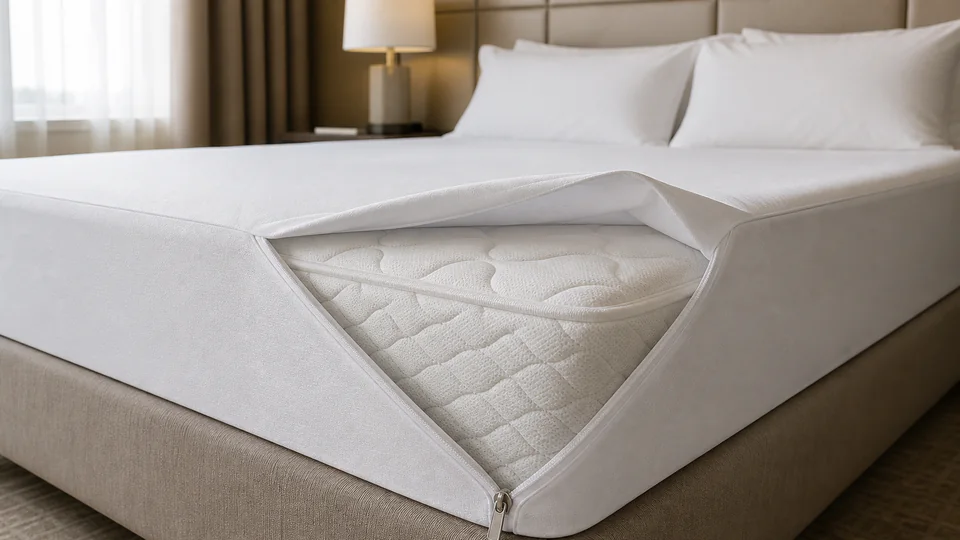
A mattress encasement must protect the intended mattress without changing bed comfort, releasing at the zipper or slowing every room turn. Procurement should define the operational purpose first, then approve fabric, seams, closure, installed dimensions, care route and replacement criteria as one system.
Define the protection purpose and room conditions
State whether the encasement is intended for routine hygiene management, liquid protection, dust control, mattress preservation or a property-specific risk program. Do not combine unrelated claims without matching evidence. Record mattress type, room climate, base design, housekeeping procedures and the layers that will sit above the encasement.
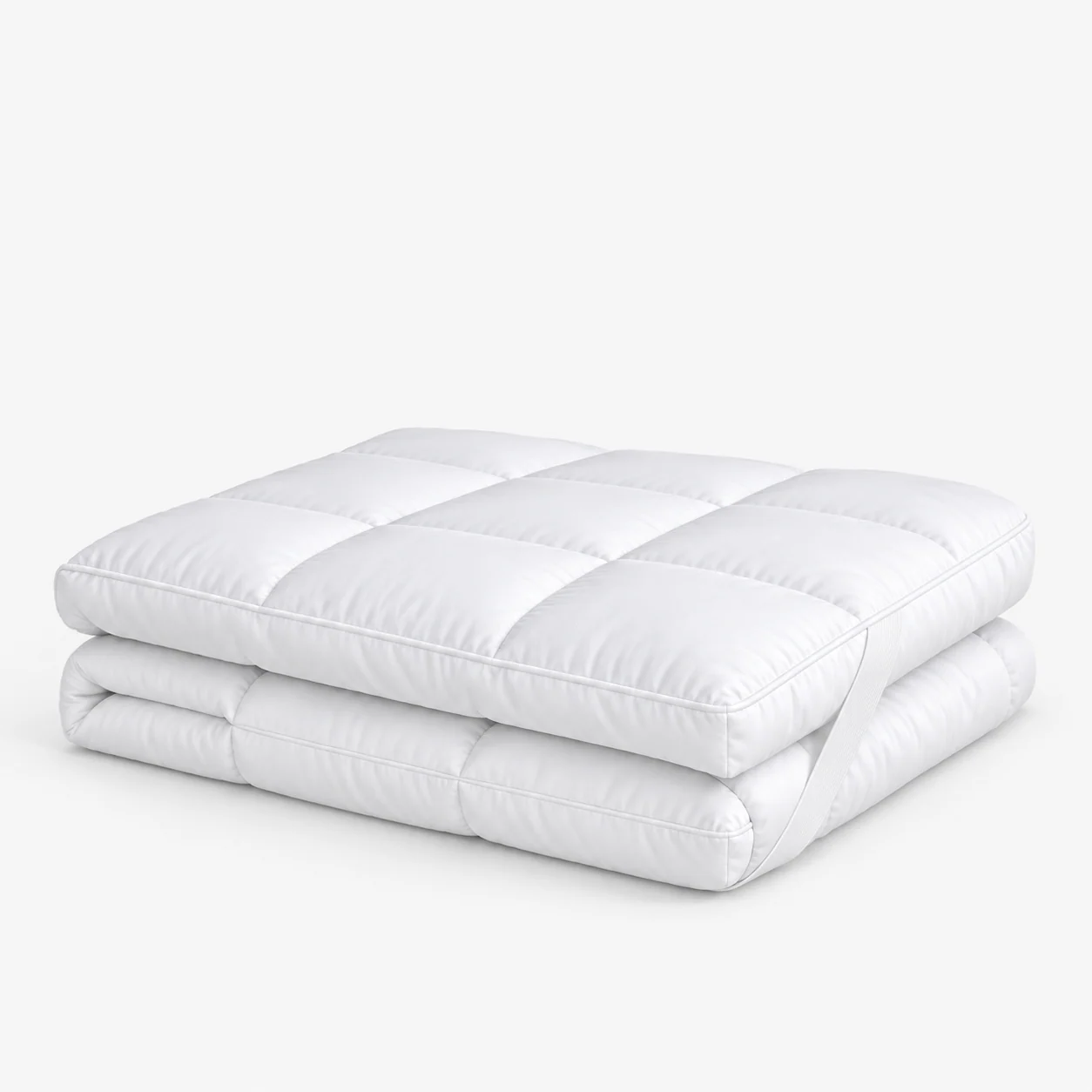
Separate a full encasement from a top-surface protector. The mattress protector procurement guide helps define the role of removable upper layers, while the encasement brief should explain why six-sided coverage and a secured closure are required.
Specify fabric, seams and the complete zipper route
Record face and backing fibers, fabric construction, finished weight, stretch direction, coating or membrane identity, seam type, edge treatment and zipper tape. If a barrier property is required, define the test method and finished construction to which the requirement applies instead of relying on a generic fabric statement.
Treat the zipper as a component system: chain, slider, puller, end stops, opening length, flap, garage or closure detail, stitching and reinforcement. Use the zipper component approval guide to control samples and change risk before bulk assembly.
Approve fit on the installed mattress
Measure mattress length, width, depth, corner shape and allowable compression at several representative rooms. Include pillow-top profiles, joined mattresses and any variation created by toppers. An encasement that is too tight can load the zipper and seams; excessive volume can wrinkle, shift or interfere with fitted sheets.
Set finished dimensions and tolerances using the dimension and shrinkage planning method. Install the production sample fully, close it without forcing the slider and make the complete bed to confirm surface smoothness, noise, heat and sheet fit.
Trial removal, care and room-turn handling
Ask housekeeping to install and remove cared-for samples in normal rooms. Observe mattress lifting, zipper access, label visibility, orientation, snag points and the risk of closure damage. Record handling time and define when the encasement is inspected in place versus removed for processing.
Run the intended wash, dry or approved cleaning route and inspect dimensional change, delamination, cracking, seam leakage, zipper operation, odor and hand. Align the released care label with the hotel linen care process and the property's actual equipment.
Control identification, inspection and replacement
Label size, orientation and property program in a location staff can read without opening the bed. Define clean storage, handling of removed units and the rule for isolating damaged encasements. Keep spare quantities by mattress family so an unavailable size does not lead to an unapproved substitution.
Add zipper function, seam integrity, fabric damage, staining and fit to the final inspection checklist. After launch, track failure location and service age. Repeated damage at the same corner or closure point should trigger a construction or handling review before reorder.
Release a mattress encasement only after the complete construction has been installed, removed, cared for and remade on representative hotel mattresses. Control the barrier purpose, zipper route, fit and retirement criteria together.