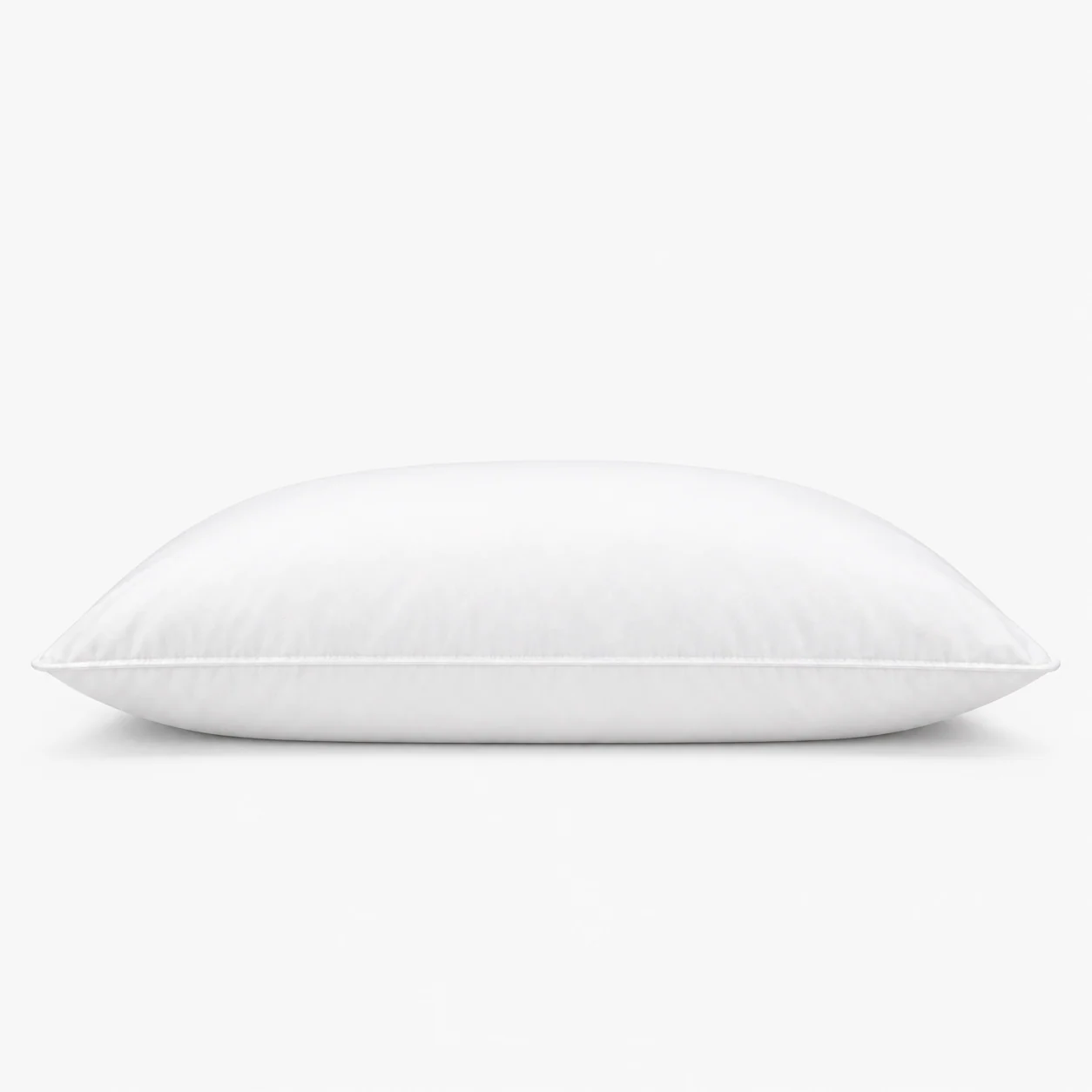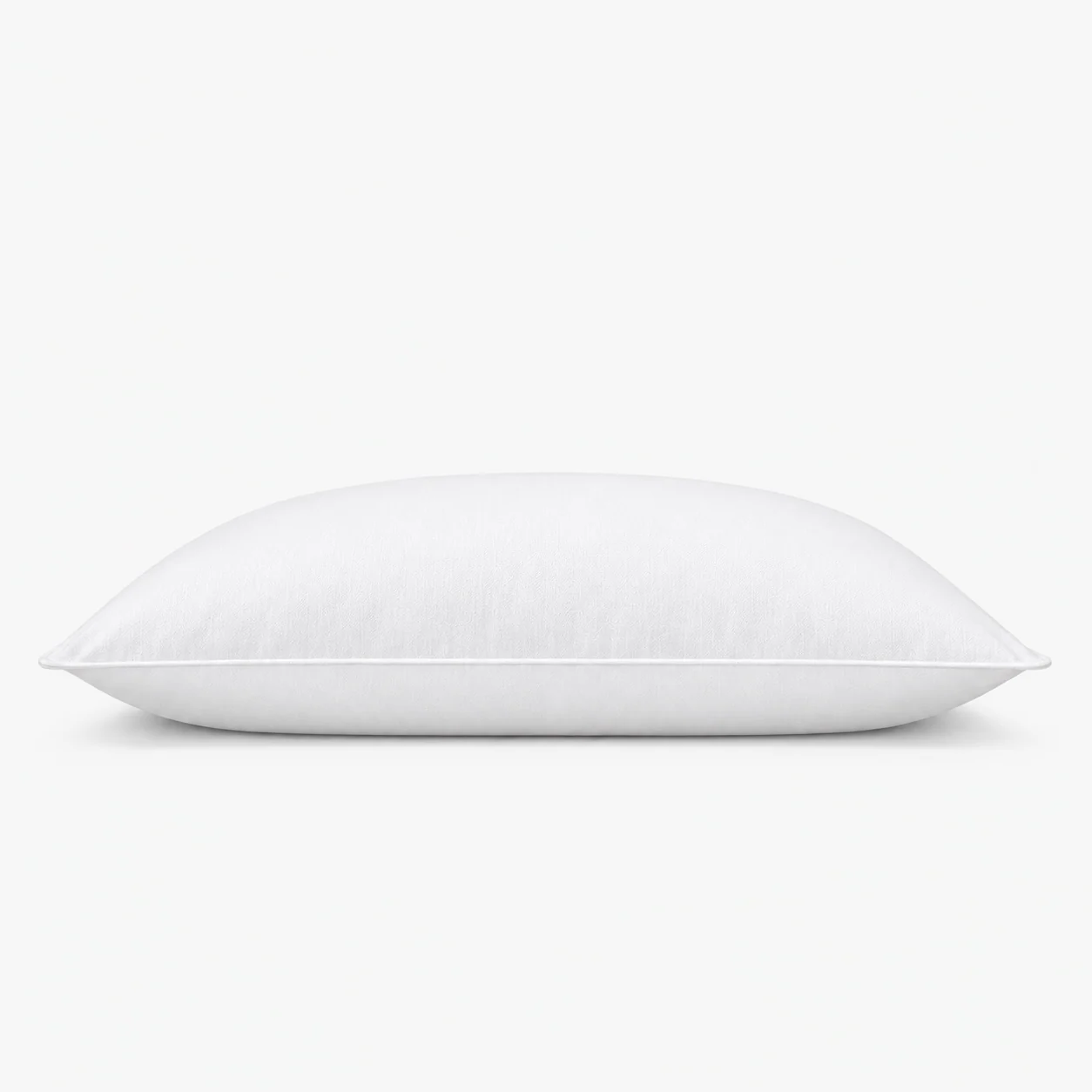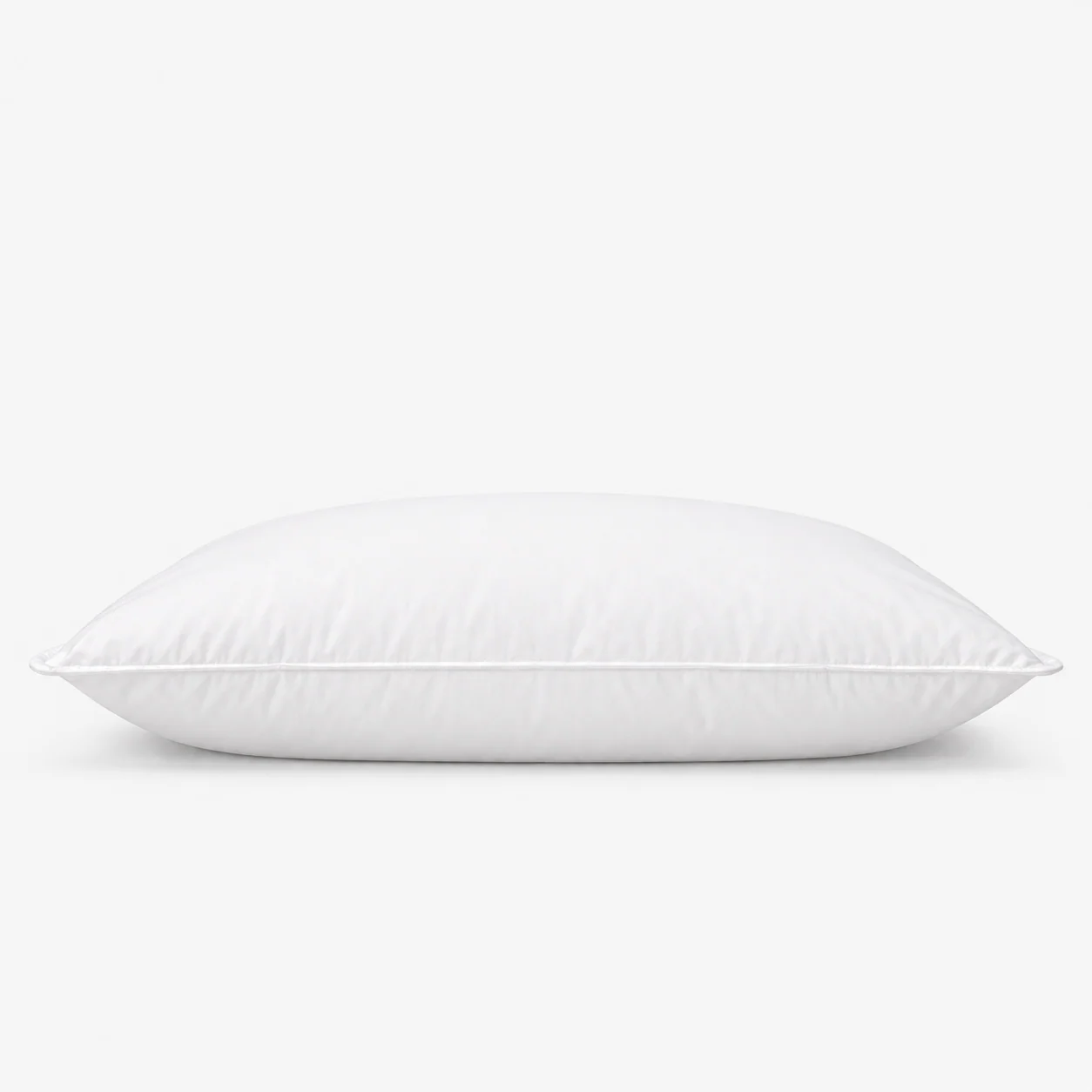
Decorative pillow fullness is not controlled by a single percentage. Cover dimensions, insert construction, fill behavior, seam allowance and conditioning all influence the finished profile. An oversized insert may create an attractive crown in one fabric but distort a firm woven cover or overload its closure. This guide turns the desired look into a measurable approval route so buyers can compare samples consistently and preserve the approved presentation through production.
Define the approved pillow as a complete system
Record cover, insert and presentation references together
Begin with the finished cover dimensions measured seam to seam, the intended shape and the approved insert construction. Record whether the insert is feather, fiber, foam or a hybrid only as confirmed program information. The pillow fill recovery guide helps evaluate recovery behavior, but the fit record must still identify the exact cover and insert combination being approved.
Do not specify a universal insert percentage without a physical trial. Two inserts with identical nominal dimensions can occupy the cover differently because shell fabric, fill distribution and edge construction vary. Define the intended use as a retail display, hotel decorative layer or brand accessory, then approve the front, side and corner views that matter to that presentation. Keep every photographed sample traceable to its material and revision.
- Finished cover dimensions and shape
- Insert dimensions, shell and fill reference
- Intended presentation and handling context
- Traceable sample and drawing revision
Build an insert-to-cover trial matrix
Compare controlled combinations instead of debating one number
Request a small matrix using one approved cover and clearly identified insert options. Keep the cover material, seam, closure and conditioning method constant while changing only the insert size or fill target. Measure the resulting center loft, edge fullness and corner occupancy after the same resting period. The pre-production sample approval guide provides a useful framework for locking the selected combination before bulk work begins.
Evaluate the matrix with the cover on a flat surface and in its intended styled position. Note wrinkling, bowing seams, collapsed corners and excessive resistance at the opening. A visually fuller sample is not automatically better if the zipper, envelope or hand-closing operation is strained. Record rejected combinations and the reason, because those references help prevent a later substitution from being accepted only on nominal dimensions.
- Controlled insert-size or fill variants
- Common cover and conditioning method
- Center, edge and corner observations
- Approved and rejected combination records
Measure conditioned loft and finished shape
Separate temporary packing effects from repeatable presentation
Agree how each pillow is unpacked, gently redistributed and rested before review. Compression can temporarily reduce loft and shift fill away from corners, so measurements taken immediately after opening may not represent the stable product. Use a level surface, consistent reference points and a non-compressive measuring method. For gusseted constructions, also consult the pillow gusset height and symmetry guide before combining gusset and crown requirements.
Measure center loft without forcing the product flat, then compare opposing edges and corner occupancy. Add controlled profile photographs from the same camera height and distance. The approval should describe acceptable natural variation instead of requiring every filled item to appear geometrically identical. If loft is evaluated after laundering, identify the wash and drying route and never mix pre-wash and post-wash values in one acceptance table.
- Unpacking and redistribution method
- Conditioning time and support surface
- Center loft and opposing-edge checks
- Repeatable profile photography
Verify closure, seam and fabric stress
Fullness must not compromise assembly or normal handling
Insert the approved fill through the production-intent opening and document the normal method. Check zipper travel, envelope overlap, hand-sewn closure and seam appearance without pulling aggressively on the cover. The pillowcase opening and overlap guide explains related opening decisions, while this trial focuses on the added stress created by the selected decorative insert.
Inspect seam extension, stitch visibility, fabric whitening and local distortion around corners and closures. A cover may survive one styling session yet show progressive stress during repeated insert removal. If the product is intended for hospitality or replaceable retail inserts, include several controlled removal and reinsertion cycles. Record any change to closure length, seam construction or insert specification as a new approval condition rather than an informal adjustment.
- Normal insertion and removal method
- Closure travel or overlap condition
- Seam extension and fabric distortion
- Defined repeat-handling trial
Translate the approved fit into production evidence
Inspect identity, measurements and presentation at the same time
Production inspection should confirm both component identity and finished presentation. Sample covers and inserts according to the agreed plan, condition them consistently and record actual cover dimensions, insert identity, center loft and visual observations. The final inspection checklist can organize the broader shipment review, but the decorative pillow section should retain its own fit references and approved profile images.
Keep a protected approval sample or a controlled set of images with measurement records. If the insert supplier, fill blend or cover fabric changes, repeat the affected fit checks before release. Buyers can share a decorative pillow brief containing desired profile, cover construction, insert options and use conditions so the quotation and sampling route are based on one clear system rather than a percentage alone.
- Cover and insert identity verification
- Conditioned loft and dimension records
- Approved profile and defect references
- Change-control and reapproval trigger
Approve the decorative pillow only after the cover, insert, conditioning method, finished loft, corner fill and closure behavior have been recorded as one traceable combination.