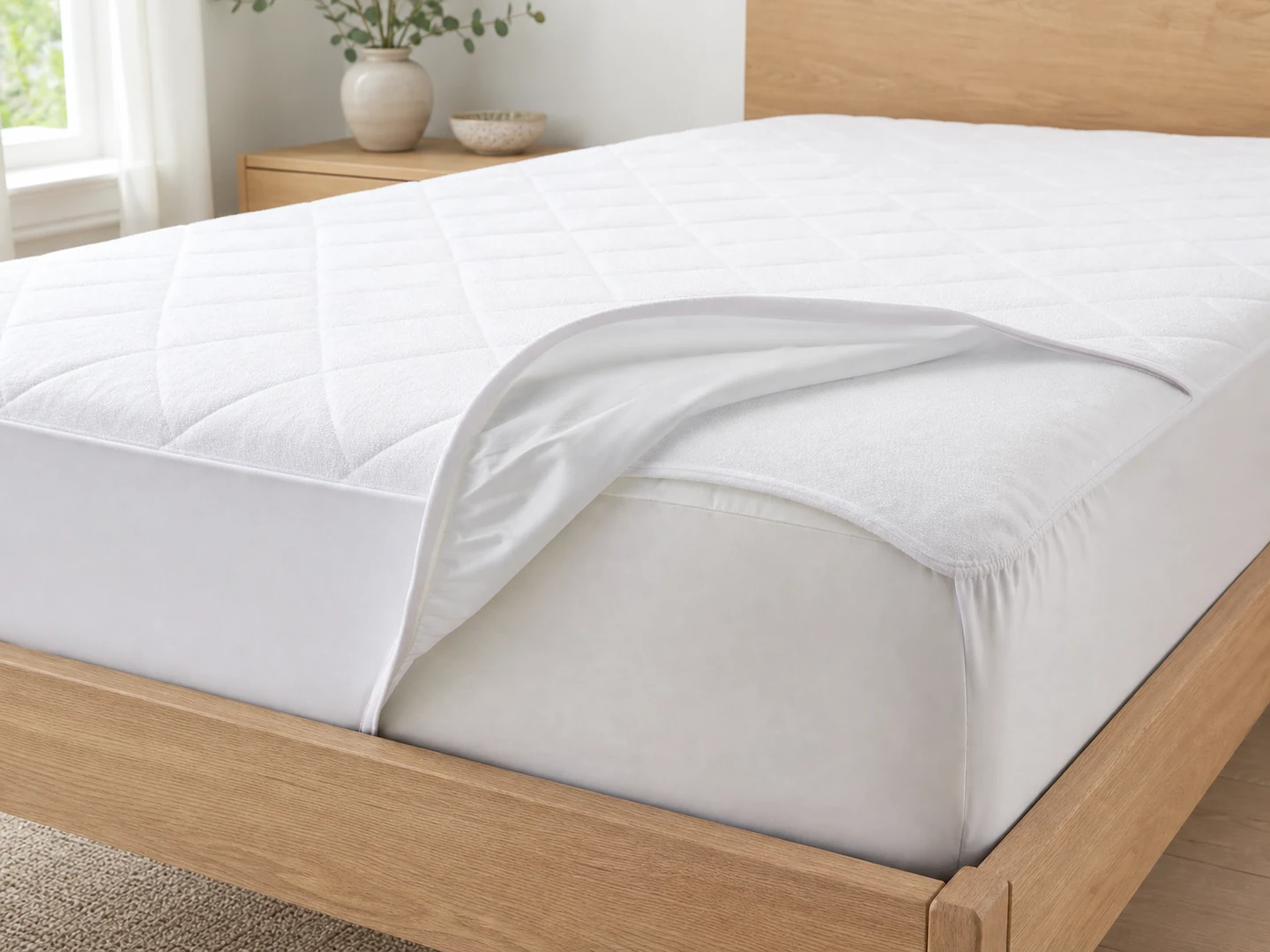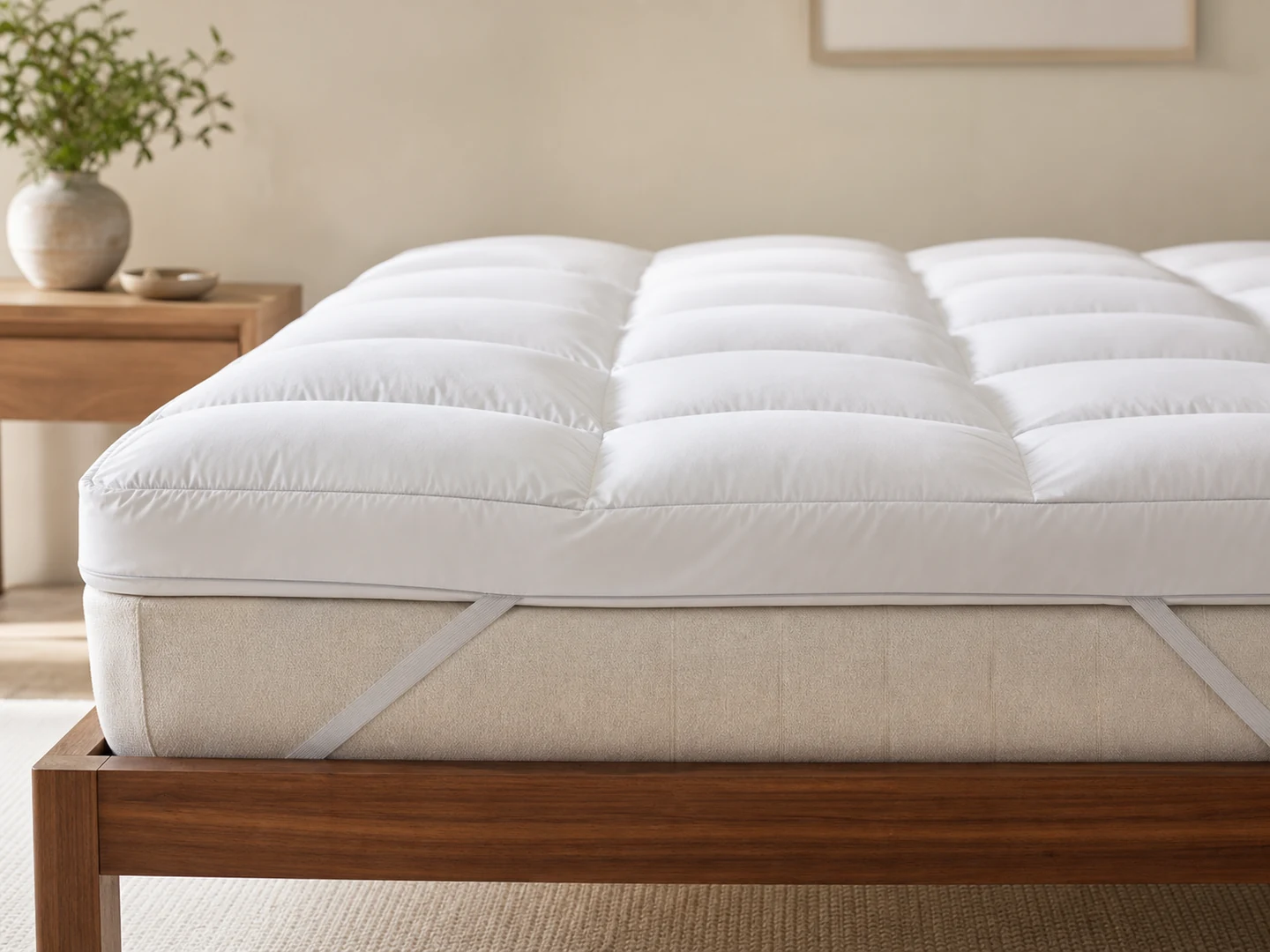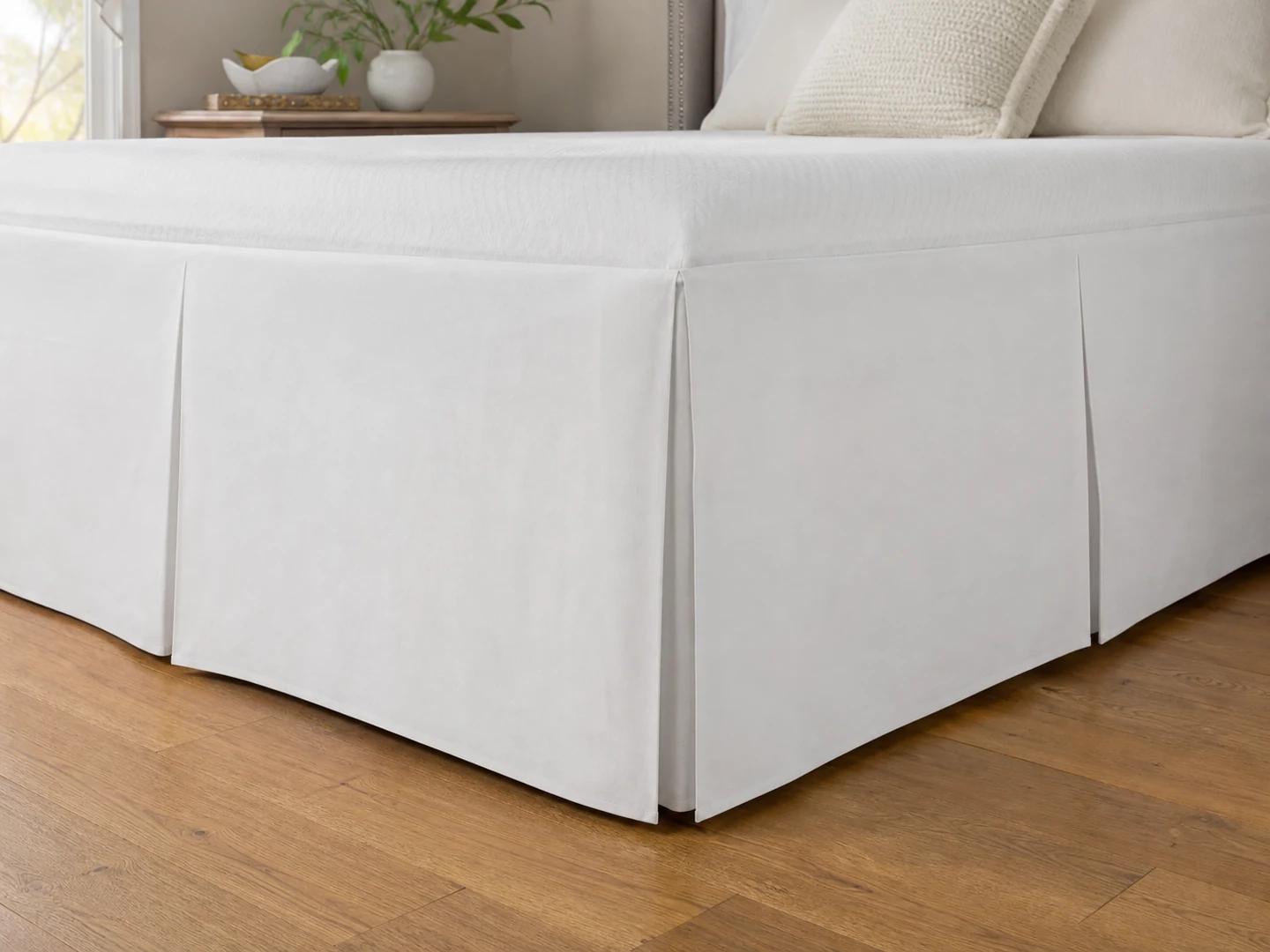
A quilted mattress pad combines a cushioned top panel with a fitted retention system, so acceptable fit depends on more than the labelled bed size. The top construction must lie as intended, the skirt must reach around the mattress profile, the elastic must retain the pad without excessive distortion, and the corners must recover after installation, laundering and packaging conditions defined by the project. Buyers often create ambiguity by calling the item a topper, protector or fitted sheet. Those categories can share dimensions or fitting features, but they serve different functions and require different specifications. This guide treats the product as a quilted mattress pad: a sewn or quilted comfort layer with an attached skirt intended to hold it on the mattress. It does not assume waterproof protection, topper-level thickness or sheet-style sleeping-surface performance. The goal is to convert intended use, mattress population and presentation needs into measurable development and approval records without inventing a universal pocket depth, elastic extension, quilting construction or fit tolerance.
- 1. Define the mattress pad and the mattress fit envelope
- 2. Specify the quilted top panel from face to underside
- 3. Engineer skirt depth, fabric stretch and elastic retention together
- 4. Validate corner geometry on a controlled sample-bed matrix
- 5. Approve packaging recovery and carry fit evidence into bulk release
Define the mattress pad and the mattress fit envelope
Separate product identity from adjacent bedding categories
Begin with a plain product statement that names the cushioned or quilted top, attached skirt, retention method and intended use. If moisture resistance, absorbency, allergen control or another performance is required, state it as a separate evidenced requirement rather than assuming the word pad provides it. A mattress protector is normally specified around a protection function, while a hotel mattress topper may use a deeper comfort assembly and different anchoring. A fitted sheet is a removable sleep surface rather than the same construction. Keeping these definitions separate prevents the supplier from quoting a visually similar but functionally different item.
Define the mattress population with actual length, width, total height and relevant profile features, including topper use, edge radius, soft or firm perimeter behavior and any variation the buyer expects the SKU to cover. Labelled size names are not enough across markets, properties or retail ranges. Identify the nominal target, minimum and maximum approved samples, but derive those values from current project data rather than a generic table. The top panel, skirt and elastic must be developed as one fit system around that envelope. For hospitality programs, align the item with the bed and room matrix instead of assuming one pad size fits every bed carrying the same marketing name.
- Name the quilted pad construction and intended function explicitly.
- List protection or performance claims as separate evidence requirements.
- Record actual mattress dimensions, profile and expected variation.
- Define which beds and adjacent product categories are outside scope.
Specify the quilted top panel from face to underside
Control comfort construction before judging skirt fit
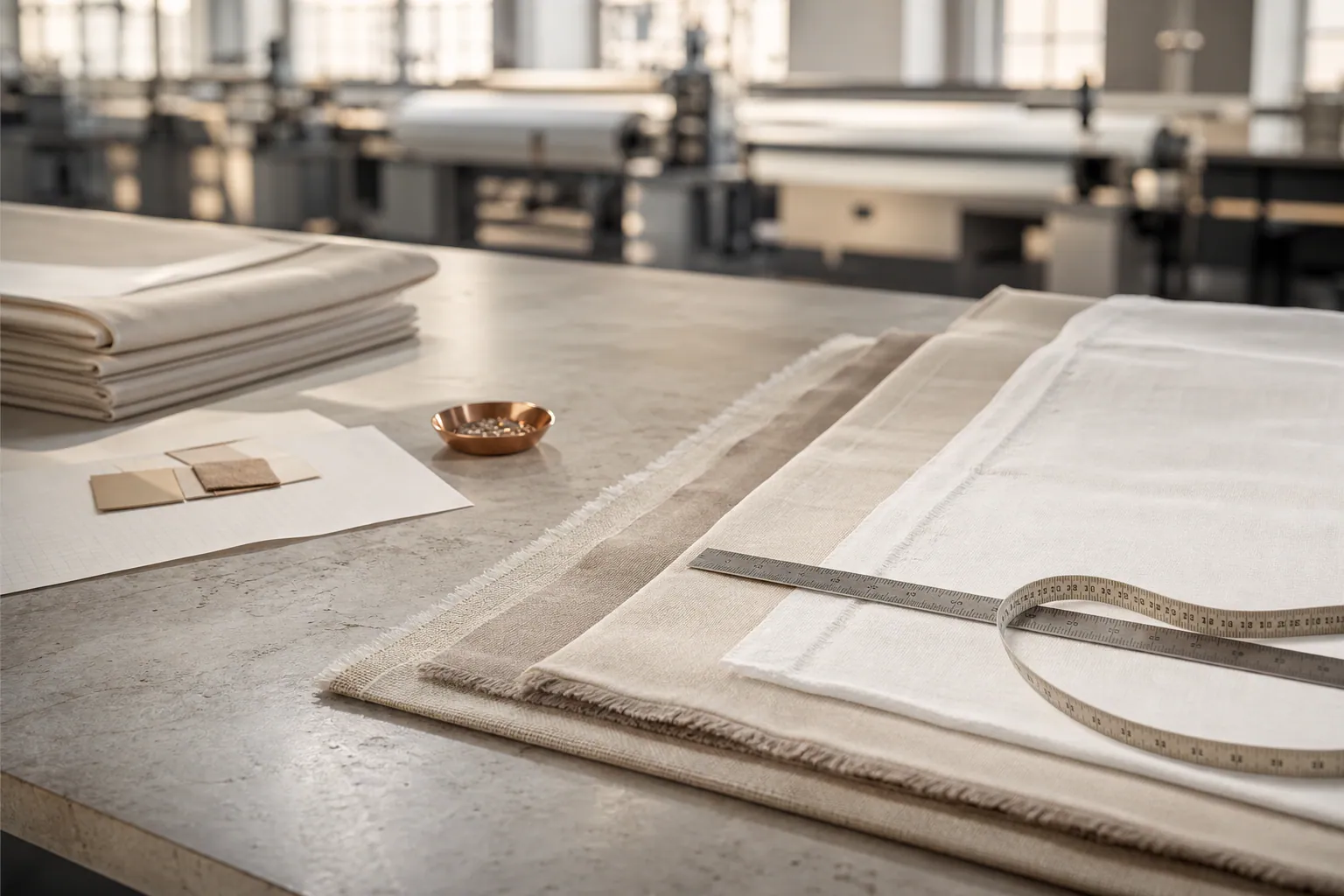
Build the top-panel specification layer by layer: face fabric, fill or loft component, backing where used, quilting method, pattern reference, edge construction and the seam that joins the skirt. Record material identities, finished dimensions, orientation, hand or appearance references and evidence requirements applicable to the actual claims. Do not let an approved fabric swatch stand in for the assembled panel, because quilting can change cover, drape, shrinkage behavior and apparent size. Where stitching and seam construction are critical, connect the drawing to the bedding seam and stitch specification guide so stitch type, density decisions, thread and seam placement are controlled without inventing a universal setting.
Define how the quilt design approaches the edge and corner. Excess loft or a rigid border near the join can prevent the panel from turning cleanly over a mattress edge, while an undersized panel can pull the skirt inward before elastic tension is considered. Review quilting distribution, fill migration risk, edge flatness and dimensional recovery on a complete sample. The quilting pattern and fill-migration guide addresses the separate task of retaining fill within the panel. A buyer should approve the top assembly and its dimensional reference before asking the development team to compensate for panel problems by increasing skirt depth or elastic force.
- List every top-panel layer and its controlled material identity.
- Reference quilting, edge join, orientation and finished dimensions.
- Assess edge turn and corner behavior on an assembled panel.
- Keep fill control and skirt fit as linked but distinct approvals.
Engineer skirt depth, fabric stretch and elastic retention together
Specify the fitted system instead of copying one pocket number
State skirt material, construction, grain or stretch direction, finished circumference logic, seam layout, unextended depth and the reference points used for measurement. Depth must be evaluated against the complete mattress height and the required under-mattress engagement, not simply copied from a fitted-sheet specification. The fitted-sheet pocket-depth validation guide offers useful measurement principles, but the quilted panel changes how this product turns over the edge. Record whether the skirt is a stretch knit, woven construction, mesh or another approved material and control substitutions because modulus, recovery, opacity and seam behavior can alter fit even when composition appears similar.
Specify the elastic location, application method, relaxed reference, extension test approach, joining method and acceptable functional outcome for the project. Avoid choosing tension by touch alone or publishing one generic extension ratio for every material. Too little retention can allow the corner to lift or the pad to shift; too much can curl the panel, strain the join, make installation difficult or distort a soft mattress edge. Use the evidence questions in the fitted-sheet elastic specification guide while validating the final combination on the actual pad. If elastic is continuous, partial or zoned, show that design in the controlled drawing and sample approval record.
- Measure skirt depth from named construction reference points.
- Control skirt material, stretch direction, seams and substitution rules.
- Define elastic location, application and project-specific test method.
- Approve retention, installation force and panel distortion together.
Validate corner geometry on a controlled sample-bed matrix
Observe installation, use and removal across the intended envelope
Corners combine top-panel radius, skirt seams, elastic gathering and mattress compressibility, so a flat-table measurement cannot prove fit. Define corner seam position, shaping, gathering distribution and any reinforcement, then install the same approved sample on representative mattresses from the intended envelope. Record mattress identity and measured dimensions before the trial. Photograph consistent views of all four corners, panel center, side engagement and underside retention. Check whether the skirt reaches the required position without exposed join seams, twisting, bridging, loose pockets or excessive compression. Treat appearance comments separately from release-blocking fit conditions.
Use a repeatable installation sequence and note the effort, orientation clarity, corner order and need to lift or compress the mattress. Observe the pad after a defined settling or handling period, then remove and refit it to detect progressive distortion or seam stress. Where laundering is part of the approved care route, compare pre- and post-care fit using the same bed matrix and conditioning method. Route every size through the bedding size-set sample approval process instead of extending one queen-size result to all dimensions. Retain mattress measurements, sample revision and observations together so later disputes are not reduced to photographs of an unknown bed.
- Define corner seam, shaping, gathering and reinforcement details.
- Test representative mattresses across the approved fit envelope.
- Record installation, settling, removal and refit observations.
- Approve every size with identified beds and sample revisions.
Approve packaging recovery and carry fit evidence into bulk release
Confirm that the delivered pad returns to its approved condition
Fold and pack a production-representative sample using the proposed insert, bag or box, compression level where applicable and storage or transit simulation approved for the project. On opening, follow a defined recovery procedure and observe quilting loft, panel creases, skirt stretch, elastic behavior and corner shape before repeating the sample-bed trial. The bedding compression-packaging validation guide can structure this work when compression is proposed, but it does not establish a universal recovery time or prove long-term performance. Record the actual pack materials, packed dimensions, conditioning, elapsed stages and sample identity so the result can be compared with delivered goods.
Freeze the approved top-panel BOM, skirt, elastic, corner construction, size measurements, fit-bed matrix, folding method and package revision in the pre-production sample record. Use the bedding pre-production sample approval workflow and verify bulk measurements, attachment workmanship, elastic continuity, pack identity and sampled bed fit before release. Reorders should return through bedding reorder specification control when materials, mattress targets or packaging change. Buyers can contact FY Bedding with mattress measurements, desired pad construction, intended care route and packaging format to request a scoped development discussion; final fit acceptance should remain tied to buyer-approved physical beds and evidence.
- Pack a production-representative sample in the proposed final format.
- Record opening, conditioning and recovery stages before refitting.
- Freeze panel, skirt, elastic, corner, fold and package revisions together.
- Repeat approval when material, mattress target or packaging changes.
Select one approved quilted mattress-pad size and prove that its top-panel layers, skirt measurement, elastic application, corner geometry, identified sample-bed results and post-packaging recovery all trace to the same controlled revision—without treating topper, protector, fitted-sheet or generic labelled-size evidence as a substitute.